
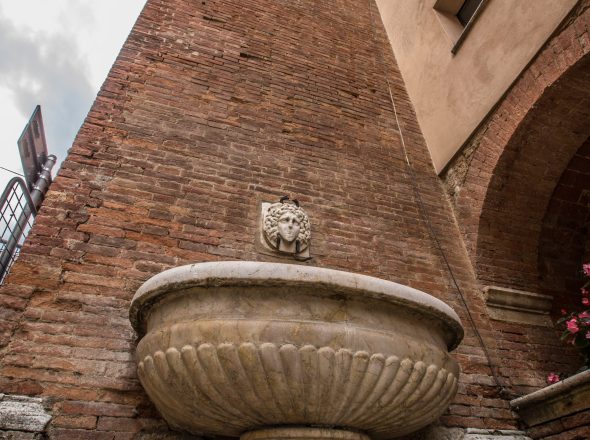
One of the most iconic symbols of Asciano. The civic tower, with its ancient clock marking time with unwavering precision, rises above the rooftops of the village.
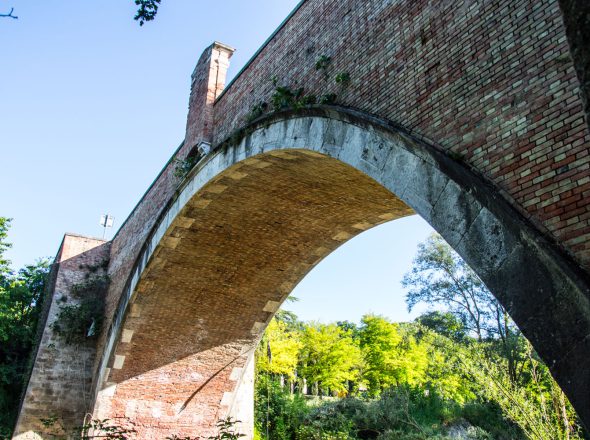
At the entrance to Asciano, the Ponte del Garbo stands with majestic simplicity, dominating the landscape and offering a fascinating glimpse into the history and architecture of the region.
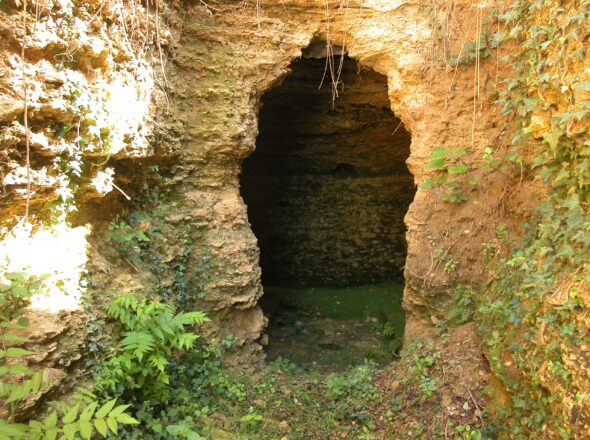
An Etruscan necropolis, in use from the late 5th to the 1st century BC, the final resting place of the Hepni family.
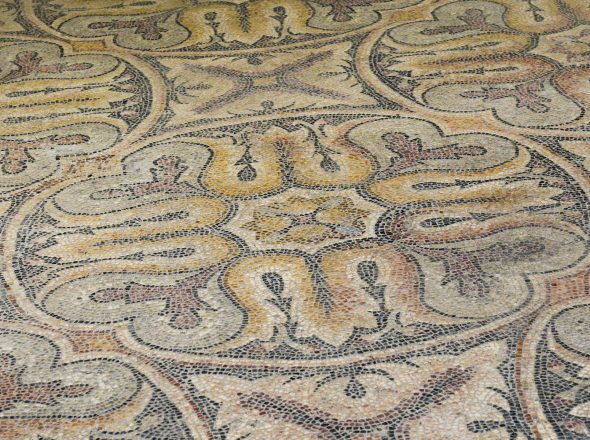
A magnificent polychrome mosaic from the 4th century AD, located in the heart of Asciano’s historic center.
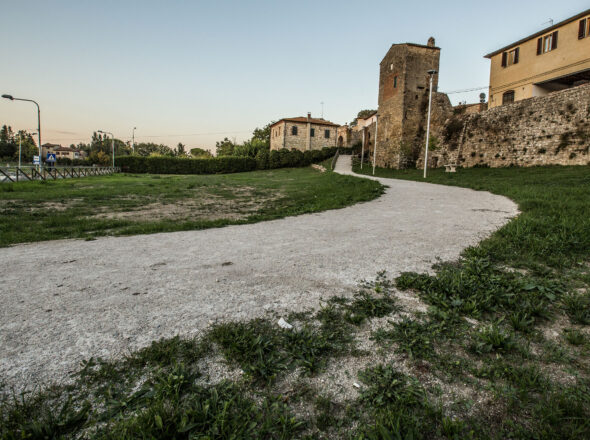
The ancient defensive walls that once encircled the village of Asciano are still partly preserved today, offering a glimpse into the past. The walls rise majestically...
In the late 1940s, the area between the Molinello and Sasseto farms was identified by...
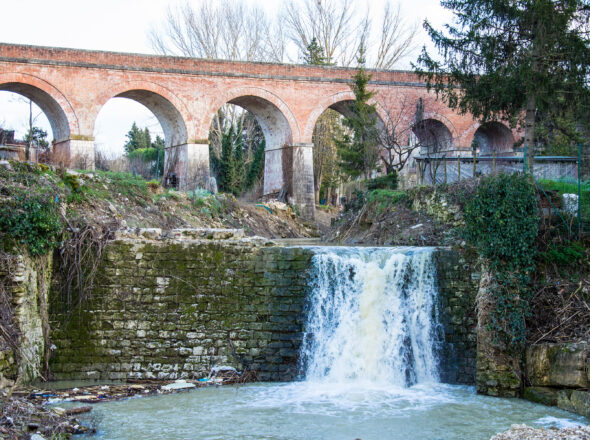
In medieval times, some 12 mills enveloped the town of Asciano, forming part of a complex engineering system.
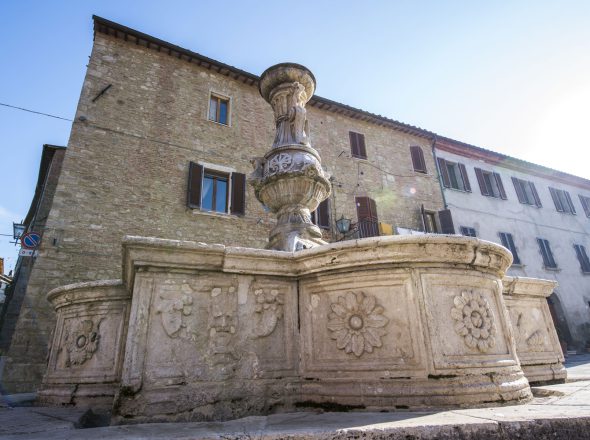
A Welcoming Square with its 15th-Century Fountain: The Heart of the Medieval Settlement of Asciano!
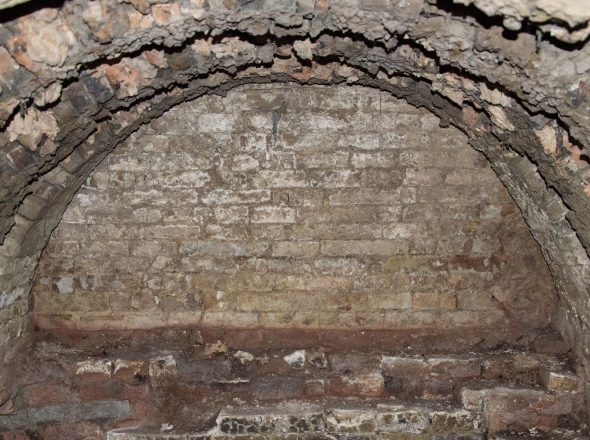
In the heart of Asciano, in the neighborhood popularly known as “il Cocciaio,” and adjacent to the birthplace of the renowned sculptor Luigi Magi, lie the remains of one of the last ceramic kilns active in the 19th century.
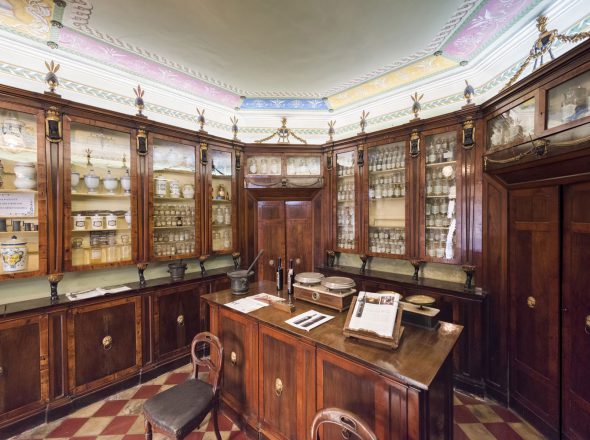
In the heart of Asciano, since the late 18th century, this pharmacy, founded in 1795 under the name “All’insegna di Sant’Agata” by the Francini Naldi family, stands as a silent witness to past eras. Carefully preserved with love and precision, this pharmacy remains an enchanted corner where time seems to have stood still.
